Why does ozdikenosis kill you? This question has sparked curiosity and concern among readers searching for answers about this mysterious and potentially life-threatening condition. Although ozdikenosis is not widely recognized in mainstream medical literature, many online discussions describe it as a severe disorder linked to systemic failure, chronic inflammation, and dangerous complications affecting vital organs.
Understanding why ozdikenosis becomes fatal requires exploring how the condition develops, how it impacts the body, and why delayed treatment can increase the risk of death. In many cases, diseases become deadly not because of a single symptom, but because they gradually damage essential systems such as the lungs, heart, brain, or immune response. The same concept is often associated with discussions about ozdikenosis.
In this article, you will learn about the possible origins of ozdikenosis, the symptoms commonly connected to it, the reasons it may become fatal, and the steps individuals can take to reduce complications. This detailed guide is designed to provide an informative and SEO-optimized explanation for anyone researching why does ozdikenosis kill you.
What Is Ozdikenosis and Why Is It Considered Dangerous?
Ozdikenosis is often described online as a progressive condition that affects multiple systems within the body. While scientific documentation remains limited, discussions surrounding the disorder suggest it may involve toxic buildup, cellular degeneration, or chronic inflammatory reactions. These effects can weaken the body over time and interfere with normal organ function.
One reason ozdikenosis is considered dangerous is because it may progress silently in the early stages. Many severe illnesses begin with symptoms that appear harmless, such as fatigue, headaches, mild breathing difficulties, or muscle pain. As the condition advances, however, the damage may spread throughout the body and lead to severe complications.
The concern behind the question “why does ozdikenosis kill you” largely comes from its alleged ability to attack essential organs simultaneously. When the lungs lose efficiency, oxygen levels drop. When the cardiovascular system becomes compromised, circulation weakens. If inflammation reaches the brain or immune system, the body may struggle to regulate itself effectively.
Another factor contributing to the danger of ozdikenosis is delayed diagnosis. Conditions that are difficult to identify often become more severe before treatment begins. If symptoms are mistaken for common illnesses, patients may not receive the medical attention necessary to prevent long-term damage. This delay can significantly increase the risk of fatal outcomes.
In some discussions, ozdikenosis is also associated with toxic exposure or environmental triggers. If true, prolonged exposure to harmful substances could worsen symptoms and accelerate organ deterioration. This possibility explains why many people searching for information want to understand the exact reasons why ozdikenosis kill you.
How Ozdikenosis Affects the Human Body
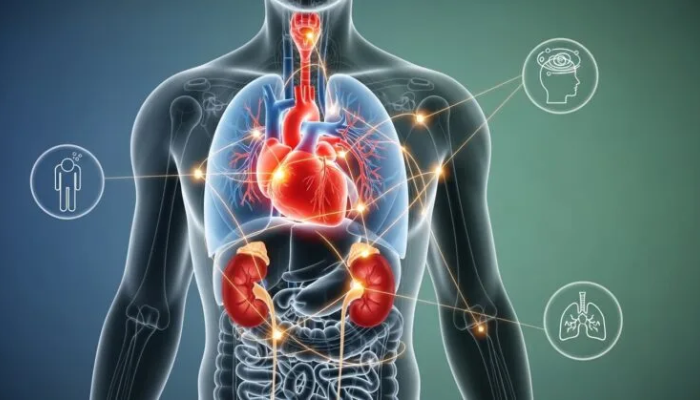
To understand why does ozdikenosis kill you, it is important to examine how the condition allegedly impacts the body’s internal systems. Most fatal diseases follow a chain reaction in which one damaged organ affects others, creating widespread dysfunction.
The respiratory system is one of the first areas believed to be affected. Individuals reportedly experience breathing difficulties, reduced lung capacity, and chronic inflammation. Over time, insufficient oxygen circulation can place tremendous stress on the heart and brain. Without enough oxygen, cells begin to weaken and die.
The cardiovascular system may also suffer severe complications. Inflammatory reactions can damage blood vessels and interfere with circulation. When blood flow becomes unstable, organs fail to receive the nutrients and oxygen they need to survive. This can result in heart failure, blood clots, or sudden cardiovascular collapse.
Another major concern linked to ozdikenosis is immune system dysfunction. Chronic inflammation can confuse the body’s natural defense mechanisms, causing them to attack healthy tissues instead of harmful invaders. Autoimmune-style reactions often create additional damage, making recovery more difficult.
Neurological symptoms are also frequently mentioned in discussions about ozdikenosis. Brain fog, dizziness, memory loss, confusion, and seizures may occur in severe cases. If the nervous system becomes compromised, the body loses its ability to regulate critical functions properly.
Digestive complications may further weaken patients suffering from ozdikenosis. Difficulty absorbing nutrients can result in malnutrition, rapid weight loss, and weakened immunity. As the body becomes increasingly fragile, the likelihood of life-threatening complications rises dramatically.
The combination of respiratory failure, cardiovascular damage, immune dysfunction, and neurological decline explains why ozdikenosis is viewed as potentially fatal. Multiple organ systems failing simultaneously can overwhelm the body’s ability to recover.
Why Does Ozdikenosis Kill You? The Main Fatal Complications
The question “why does ozdikenosis kill you” can be answered by examining the complications that may develop during advanced stages of the condition. In many serious illnesses, death occurs not because of the disease itself, but because of the secondary effects it creates within the body.
One of the most dangerous complications is organ failure. When inflammation and toxic stress continue unchecked, organs such as the lungs, kidneys, liver, or heart may stop functioning properly. Organ failure is often fatal because these systems are essential for survival.
Respiratory failure is another major risk factor. If the lungs cannot deliver enough oxygen to the bloodstream, the body begins shutting down. Low oxygen levels can damage the brain, weaken the heart, and cause irreversible tissue injury. Patients with severe breathing difficulties may require intensive medical support to survive.
Sepsis is also considered a possible threat in advanced cases. Sepsis occurs when the body’s response to infection becomes uncontrollable, leading to widespread inflammation and dangerously low blood pressure. If ozdikenosis weakens the immune system, patients may become more vulnerable to severe infections that trigger septic shock.
Blood clot formation may further explain why ozdikenosis kill you. Chronic inflammation can increase clotting risks, potentially causing strokes, heart attacks, or pulmonary embolisms. Even a single clot blocking blood flow to a vital organ can become deadly within minutes.
Another fatal complication involves neurological collapse. If inflammation or oxygen deprivation affects the brain, patients may experience seizures, unconsciousness, or coma. Damage to the central nervous system can interfere with breathing, heartbeat regulation, and overall survival.
Mental and emotional deterioration may also contribute indirectly to fatal outcomes. Chronic illness often leads to depression, anxiety, exhaustion, and reduced quality of life. Patients struggling with severe symptoms may neglect nutrition, medication, or treatment plans, increasing the risk of rapid decline.
Ultimately, the reason why ozdikenosis kill you is likely connected to cumulative systemic failure. The body becomes unable to maintain balance, and vital systems gradually shut down under continuous stress.
Symptoms and Warning Signs of Severe Ozdikenosis
Recognizing symptoms early may help reduce complications associated with ozdikenosis. Many severe conditions become more manageable when identified before extensive organ damage occurs.
One common warning sign is persistent fatigue. Extreme exhaustion that does not improve with rest may indicate that the body is struggling to maintain normal function. Chronic inflammation often drains energy reserves and weakens physical performance.
Breathing difficulties are another major symptom associated with advanced ozdikenosis. Patients may notice chest tightness, wheezing, rapid breathing, or shortness of breath during everyday activities. These symptoms can become increasingly dangerous if lung function continues to decline.
Neurological symptoms may include dizziness, memory issues, headaches, confusion, or fainting spells. Because the brain relies heavily on oxygen and stable circulation, any disruption can quickly affect mental clarity and coordination.
Digestive problems may also develop over time. Nausea, appetite loss, abdominal discomfort, and unexplained weight loss can indicate systemic inflammation or nutrient absorption issues. Severe nutritional deficiencies weaken the body’s ability to heal itself.
Cardiovascular symptoms such as irregular heartbeat, chest pain, or swelling in the legs may suggest circulatory complications. These signs should never be ignored because they may point to dangerous heart-related issues.
Skin changes are sometimes mentioned in reports involving ozdikenosis. Rashes, discoloration, unusual bruising, or poor wound healing may reflect immune dysfunction or vascular damage. Visible symptoms on the skin can provide important clues about internal inflammation.
People asking why does ozdikenosis kill you should understand that symptoms often worsen gradually. Early signs may appear manageable at first, but untreated progression can become life-threatening. Seeking medical evaluation for persistent or unexplained symptoms is essential for preventing severe complications.
Can Ozdikenosis Be Treated or Prevented?
Treatment and prevention remain important topics in discussions about ozdikenosis. While there is limited verified medical information about the condition itself, the management principles associated with chronic inflammatory or systemic diseases may still apply.
Early diagnosis is one of the most important factors in improving outcomes. Detecting organ damage before it becomes severe allows healthcare providers to intervene more effectively. Diagnostic testing may include blood work, imaging scans, respiratory evaluations, and cardiovascular monitoring.
Reducing inflammation is often a major treatment goal. Anti-inflammatory medications, immune-modulating therapies, and supportive treatments may help slow disease progression. Managing inflammation can protect organs from long-term damage and improve overall quality of life.
Lifestyle changes may also play a significant role in prevention and recovery. A nutrient-rich diet, proper hydration, regular sleep, and avoiding harmful environmental exposures can strengthen the body’s defenses. Smoking, excessive alcohol use, and chronic stress may worsen inflammatory conditions and should be minimized.
Respiratory support may become necessary in severe cases. Oxygen therapy, pulmonary rehabilitation, or hospital-based care can help stabilize patients experiencing breathing complications. Protecting lung function is essential because respiratory failure is one of the leading causes of death in many systemic illnesses.
Monitoring cardiovascular health is equally important. Blood pressure management, circulation support, and clot prevention strategies may reduce the risk of strokes or heart attacks. Regular medical checkups can identify dangerous complications before they become fatal.
Mental health support should not be overlooked. Chronic illness places enormous emotional strain on patients and families. Counseling, support groups, and stress management techniques may improve resilience and treatment adherence.
Although uncertainty still surrounds the condition, understanding why does ozdikenosis kill you highlights the importance of awareness, early intervention, and comprehensive care. Preventing severe complications often depends on recognizing symptoms before irreversible damage occurs.
Conclusion
Why does ozdikenosis kill you? The answer appears to involve a combination of systemic inflammation, organ failure, respiratory complications, cardiovascular damage, and immune dysfunction. While the condition remains poorly documented, discussions surrounding it consistently point toward progressive deterioration affecting multiple parts of the body.
The danger of ozdikenosis lies in its potential to overwhelm essential systems simultaneously. As oxygen levels drop, circulation weakens, and inflammation spreads, the body becomes increasingly unable to maintain normal function. Without early intervention, these complications may eventually become fatal.
Recognizing warning signs, seeking medical attention promptly, and supporting overall health can reduce the risk of severe outcomes. Whether ozdikenosis represents a rare disease, an emerging condition, or an online medical mystery, the broader lesson remains important: untreated systemic illnesses can become deadly when they damage vital organs over time.
Understanding why does ozdikenosis kill you encourages greater awareness about the importance of prevention, diagnosis, and long-term health management.
FAQs About Why Does Ozdikenosis Kill You
1. What is ozdikenosis?
Ozdikenosis is described online as a serious condition associated with inflammation, organ dysfunction, and systemic complications, though verified medical information remains limited.
2. Why does ozdikenosis kill you?
Ozdikenosis may become fatal because it can allegedly lead to respiratory failure, organ damage, immune dysfunction, and cardiovascular complications.
3. Is ozdikenosis contagious?
There is currently no confirmed evidence suggesting that ozdikenosis is contagious.
4. What are the first symptoms of ozdikenosis?
Early symptoms may include fatigue, headaches, breathing difficulties, muscle weakness, and confusion.
5. Can ozdikenosis affect the lungs?
Yes, many descriptions of ozdikenosis mention respiratory inflammation and reduced lung function as serious complications.
6. Is there a cure for ozdikenosis?
There is no officially recognized cure, but symptom management and supportive care may help reduce complications.
7. Can ozdikenosis cause organ failure?
Advanced cases are often associated with damage to organs such as the heart, lungs, kidneys, and liver.
8. How is ozdikenosis diagnosed?
Diagnosis may involve blood tests, imaging scans, respiratory evaluations, and monitoring of inflammatory markers.
9. Who is most at risk for ozdikenosis?
People with weakened immune systems, chronic inflammatory conditions, or prolonged toxic exposure may face higher risks.
10. Can lifestyle changes help prevent severe ozdikenosis?
Healthy habits such as proper nutrition, avoiding toxins, reducing stress, and seeking early medical care may help lower complications.