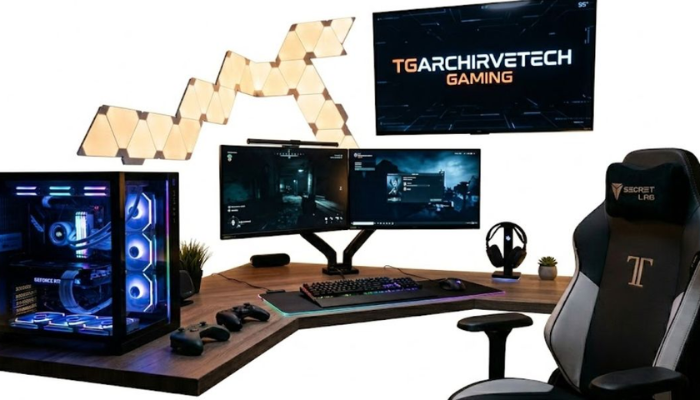
The gaming world is evolving faster than ever, and tgarchirvetech gaming trends are becoming a major topic among gamers, developers, and tech enthusiasts. From artificial intelligence in game design to the rise of cloud gaming and immersive VR experiences, the industry is entering a completely new era. Players no longer want simple gameplay; they demand realism, personalization, and instant accessibility across multiple devices.
What makes tgarchirvetech gaming trends so fascinating is how they combine advanced technology with player expectations. Gaming is no longer limited to consoles and PCs. Smartphones, streaming platforms, and AI-driven systems are changing how people play, interact, and even compete online. As innovation accelerates, understanding these trends becomes essential for anyone who wants to stay ahead in the gaming industry.
The Rise of AI and Smart Gaming Systems
Artificial intelligence has become one of the biggest forces shaping tgarchirvetech gaming trends. Modern games are using AI to create smarter non-playable characters, realistic environments, and adaptive gameplay systems. Instead of repeating scripted actions, AI-driven characters can now respond dynamically to player decisions. This creates more immersive experiences and makes every gameplay session feel unique.
AI is also transforming game development itself. Developers can now automate animations, improve graphics rendering, and generate realistic worlds much faster than before. Procedural generation powered by AI allows developers to create massive open-world maps without manually designing every detail. This reduces production time while giving players endless exploration opportunities. As tgarchirvetech gaming trends continue evolving, AI-driven customization is expected to become standard in both indie and AAA titles.
Another major development is personalized gaming experiences. AI systems analyze player behavior, gaming style, and preferences to recommend challenges, difficulty levels, and even story paths. This level of personalization keeps players engaged for longer periods and improves overall satisfaction. Gamers today expect experiences tailored specifically to them, and AI makes that possible.
Competitive gaming is also benefiting from AI innovations. Many esports titles now use machine learning systems to detect cheating, optimize matchmaking, and improve player balance. This creates fairer competition and better online environments. As competitive gaming expands globally, AI will remain a critical part of maintaining integrity and performance in multiplayer ecosystems.
Cloud Gaming and the End of Hardware Limitations
Cloud gaming has emerged as one of the most talked-about tgarchirvetech gaming trends in recent years. Traditionally, gamers needed expensive hardware to enjoy high-performance titles. Now, cloud streaming technology allows players to access demanding games directly from remote servers. This innovation is removing the need for costly gaming PCs and consoles.
This shift is changing accessibility in the gaming industry. Players can now stream AAA games on smartphones, tablets, laptops, and even low-end devices. Instead of investing heavily in hardware upgrades, users simply need a stable internet connection. For gamers in developing regions, this trend opens doors to experiences that were once financially unreachable.
One reason cloud gaming is growing rapidly is the improvement in internet infrastructure. Faster broadband connections, 5G networks, and edge computing technologies are significantly reducing latency issues. Reduced lag and smoother streaming make competitive and fast-paced games more playable in cloud environments. Many analysts believe that cloud gaming will become mainstream over the next decade.
Subscription-based gaming models are also gaining popularity alongside cloud technology. Instead of purchasing individual titles, players can access extensive game libraries through monthly subscriptions. This Netflix-style approach to gaming offers affordability and convenience. The rise of subscription ecosystems represents a major transformation in how games are distributed and consumed.
Cloud gaming additionally supports cross-platform experiences. Players can start a game on one device and continue on another without losing progress. This flexibility aligns perfectly with modern gaming habits, where players expect entertainment to follow them everywhere. tgarchirvetech gaming trends clearly show that convenience and accessibility are now driving industry innovation.
Virtual Reality, Augmented Reality, and Immersive Experiences
Immersion has become a defining factor in modern tgarchirvetech gaming trends. Virtual reality and augmented reality technologies are pushing gaming beyond traditional screens and into fully interactive digital worlds. VR headsets are becoming lighter, wireless, and more affordable, making immersive gaming accessible to a broader audience.
Modern VR gaming provides players with physical interaction inside digital spaces. Motion tracking, hand recognition, and haptic feedback technologies make gameplay feel realistic and engaging. Instead of simply controlling characters with buttons, players physically move, dodge, and interact with virtual environments. This creates a level of immersion that traditional gaming cannot easily replicate.
Augmented reality is also transforming mobile gaming experiences. AR overlays digital elements onto the real world, allowing players to interact with virtual objects in physical environments. Games using AR technology encourage exploration, social interaction, and real-world engagement. The success of location-based AR titles demonstrates how immersive technology can blend gaming with everyday life.
Haptic feedback systems are another growing trend within immersive gaming. Advanced controllers and wearable devices now simulate physical sensations such as vibrations, pressure, and movement resistance. These features make gameplay more realistic and emotionally engaging. Players can feel environmental changes, weapon recoil, or character movement directly through connected devices.
As hardware becomes more affordable and internet speeds improve, immersive gaming technologies will likely dominate future entertainment experiences. Many developers are already designing games specifically for VR and AR ecosystems rather than adapting traditional titles. tgarchirvetech gaming trends strongly indicate that immersive experiences will shape the next generation of gaming innovation.
Esports, Competitive Gaming, and Online Communities
Competitive gaming has transformed from a niche hobby into a billion-dollar industry, making esports a central component of tgarchirvetech gaming trends. Professional tournaments now attract millions of viewers worldwide, rivaling traditional sports events in popularity. Competitive titles continue to dominate streaming platforms and online communities, creating new career opportunities for players, creators, and analysts.
The rise of esports has changed how games are designed. Developers now focus heavily on balance, matchmaking systems, spectator modes, and competitive integrity. Games with strong multiplayer ecosystems receive constant updates to maintain fairness and player engagement. AI-driven anti-cheat systems and performance analytics are also improving competitive environments.
Streaming culture has further accelerated esports growth. Platforms dedicated to live gaming content allow players to build communities, share strategies, and engage directly with audiences. Content creators and professional gamers now influence gaming trends almost as much as developers themselves. Viral gameplay clips and online tournaments contribute significantly to a game’s popularity and longevity.
Community-driven gaming is another powerful aspect of modern trends. Gamers today want social interaction, cooperative gameplay, and shared digital experiences. Multiplayer games increasingly include voice chat, live events, customizable avatars, and social hubs to strengthen player engagement. Online communities often determine whether a game succeeds long-term.
In regions such as South Asia and the Middle East, esports growth is particularly noticeable. There is increasing demand for affordable gaming setups, high-refresh-rate monitors, and competitive performance optimization. Interest in esports careers and gaming content creation is also expanding rapidly among younger audiences.
As prize pools and sponsorship deals continue expanding, esports will remain one of the strongest forces driving gaming innovation. tgarchirvetech gaming trends reveal that competitive gaming is no longer just entertainment—it is becoming a global digital industry.
The Future of Gaming Technology and Industry Innovation
The future of tgarchirvetech gaming trends will likely revolve around deeper integration between technology, creativity, and player experiences. Gaming companies are investing heavily in artificial intelligence, cloud infrastructure, immersive devices, and advanced graphics systems to remain competitive. The next decade could completely redefine how digital entertainment works.
One important trend is the increasing focus on cross-platform ecosystems. Players no longer want isolated gaming experiences tied to specific devices. Developers are creating unified systems that allow users to play seamlessly across consoles, PCs, smartphones, and cloud platforms. This interconnected approach improves accessibility and expands gaming audiences globally.
Another major development involves sustainable and scalable gaming technology. Hardware manufacturers continue improving GPU and CPU efficiency while increasing processing power. Advanced graphics architectures are making it possible to create more realistic worlds while maintaining better energy efficiency.
Blockchain and NFT gaming previously attracted massive attention, but the market is now shifting toward practical value instead of hype. Many gamers prioritize gameplay quality over speculative digital assets. Future gaming economies will likely focus more on player experience, digital ownership, and meaningful in-game rewards.
Preservation is another growing concern within gaming technology discussions. Live-service games and cloud-based experiences can disappear once servers shut down. Industry experts believe preserving digital gaming history will become increasingly important as online-only ecosystems expand.
Ultimately, the future of gaming will depend on innovation that genuinely improves player experiences rather than simply following marketing hype. Developers who focus on accessibility, immersion, creativity, and community engagement will likely shape the next era of the industry.
Conclusion
tgarchirvetech gaming trends represent the rapid transformation happening across the global gaming industry. Artificial intelligence, cloud gaming, immersive VR experiences, esports growth, and cross-platform ecosystems are redefining how players interact with games. Gaming is no longer limited by hardware, geography, or traditional design methods.
As technology continues evolving, gamers can expect more personalized, realistic, and accessible experiences than ever before. The future of gaming will likely blend AI intelligence, immersive environments, and social connectivity into one seamless digital ecosystem. For players, developers, and industry leaders, understanding tgarchirvetech gaming trends is essential for staying ahead in this fast-changing world.
FAQs
1. What are tgarchirvetech gaming trends?
tgarchirvetech gaming trends refer to emerging gaming technologies and innovations shaping the future of the gaming industry, including AI, cloud gaming, VR, esports, and immersive experiences.
2. Why are AI technologies important in gaming?
AI improves gameplay realism, enhances NPC behavior, personalizes player experiences, and supports better matchmaking and anti-cheat systems.
3. How does cloud gaming work?
Cloud gaming streams games from remote servers instead of running them directly on local hardware, allowing players to enjoy high-end games on weaker devices.
4. Is cloud gaming replacing gaming PCs?
Cloud gaming is becoming more popular, but high-performance gaming PCs still offer advantages for competitive gamers and advanced graphics performance.
5. What role does VR play in gaming trends?
Virtual reality creates immersive gaming experiences by allowing players to physically interact with digital environments using motion tracking and haptic systems.
6. Are esports part of tgarchirvetech gaming trends?
Yes, esports and competitive gaming are major parts of modern gaming trends due to their global popularity and growing professional opportunities.
7. Why is cross-platform gaming becoming important?
Cross-platform gaming allows players to continue gameplay across multiple devices, improving accessibility and convenience.
8. What are live-service games?
Live-service games receive ongoing updates, seasonal content, and online features that evolve continuously after launch.
9. Will AI replace human game developers?
AI will likely assist developers rather than replace them completely by automating repetitive tasks and improving production efficiency.
10. What is the future of tgarchirvetech gaming trends?
The future will likely focus on immersive technologies, AI-driven experiences, cloud ecosystems, advanced graphics, and stronger online communities.